Nestled in the heart of Vietnam, the city of Hue exudes a sense of timeless heritage that is beautifully reflected in its traditional attire, the Ao Dai. This elegant and sophisticated garment serves as a living embodiment of Hue's rich history, cultural significance, and artistic craftsmanship. In this detailed exploration, we unveil the captivating story behind the Ao Dai, its deep-rooted connection with Hue, and the reasons it continues to captivate hearts worldwide.
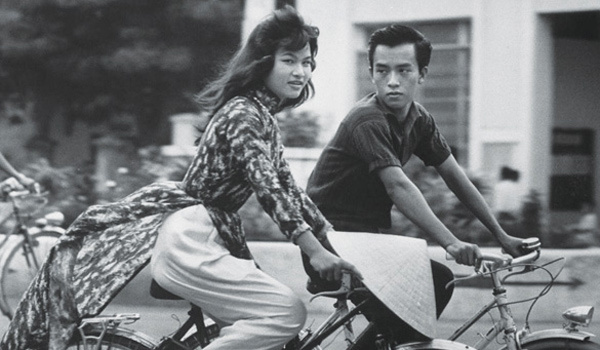
A Glimpse into Hue's Cultural Tapestry
Hue, the former imperial capital of Vietnam, has long been a hub of culture, art, and refinement. Its illustrious history, steeped in dynasties and royal legacies, has left an indelible mark on its people and their way of life. The Ao Dai, a masterpiece of textile artistry, seamlessly weaves together the threads of history and culture, providing a glimpse into the city's rich tapestry.
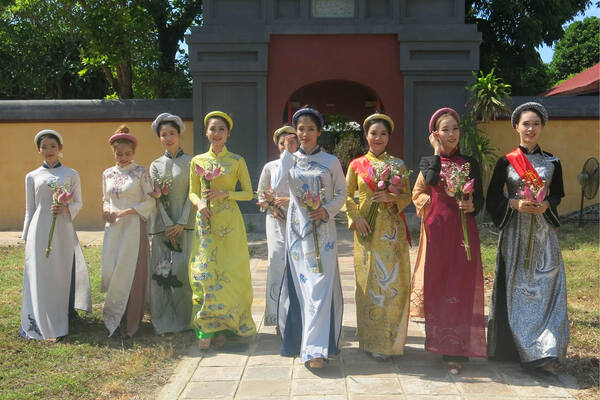
The Ao Dai: Elegance Personified
A Harmonious Blend of Tradition and Modernity
The Ao Dai is a mesmerizing fusion of traditional design and modern aesthetics. Its streamlined silhouette, characterized by a figure-hugging bodice and flowing skirt, captures the essence of Vietnamese femininity while embracing contemporary sensibilities.
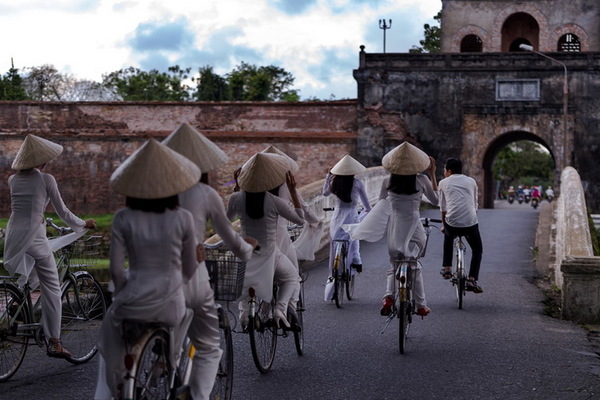
Intricate Embroidery and Artistry
One cannot speak of the Ao Dai without mentioning its intricate embroidery. This meticulous artistry reflects the culture, beliefs, and stories of the past. Each stitch carries with it a piece of history, transforming the attire into a canvas that tells tales of romance, nature, and daily life.
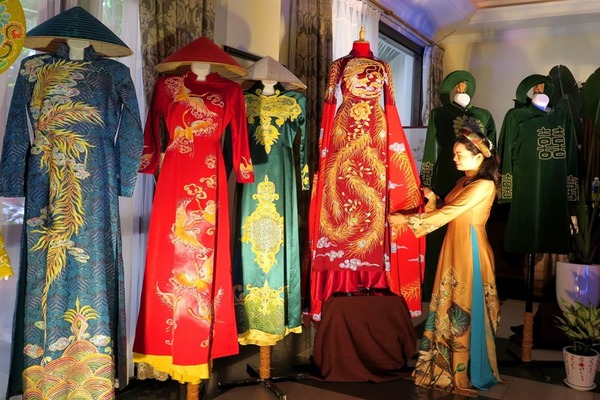
Hue's Color Palette in Fabric
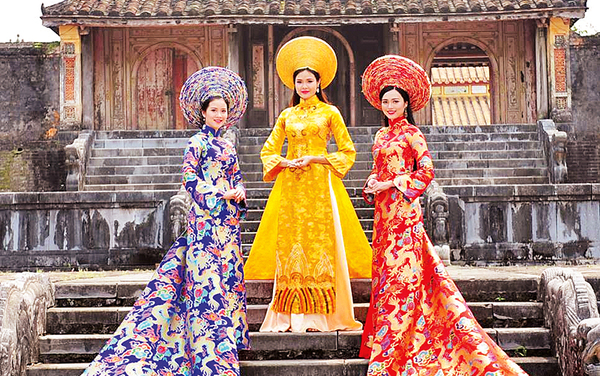
Hue's vibrant color palette, often inspired by the city's natural surroundings, finds expression in the hues of the Ao Dai. From serene blues reminiscent of the Perfume River to regal purples symbolizing nobility, the colors mirror the city's diverse landscapes and cultural spectrum.

A Living Symbol of Hue's Heritage
From Imperial Courts to Modern Runways
The Ao Dai holds a special place in Hue's collective consciousness. It was once the attire of choice for royal courtiers during the Nguyen Dynasty, a testament to its timeless elegance. Today, this traditional attire gracefully walks the fine line between heritage and contemporary fashion, gracing international runways and red carpets alike.

The Ao Dai Hue encapsulates the essence of feminine beauty and grace. Its form-flattering design celebrates the female form while remaining modest, an embodiment of the Vietnamese ideal of womanhood.
Cultural Significance and Ceremonies
In Hue, the Ao Dai transcends fashion—it is a living tradition embedded in daily life. It adorns women during significant events such as weddings, Lunar New Year celebrations, and cultural festivals, breathing life into age-old customs and fostering a sense of unity and identity.
Crafting the Future with Ao Dai
Preserving Tradition for Generations
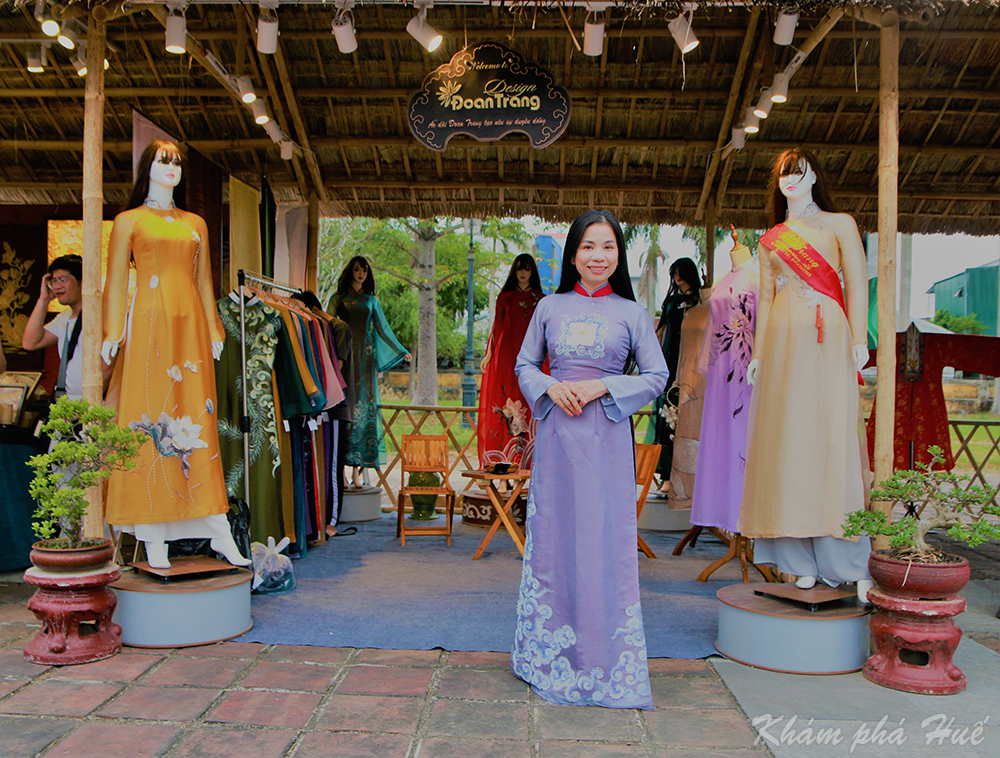
The custodians of Hue's cultural legacy recognize the importance of preserving the art of crafting Ao Dai. Local artisans and designers work diligently to ensure that the techniques, patterns, and motifs are passed down to future generations, allowing the tradition to thrive in an ever-evolving world.
A Global Ambassador of Vietnamese Culture
Beyond its borders, the Ao Dai has become an ambassador of Vietnamese culture. Its allure has transcended geographical boundaries, drawing admiration from fashion enthusiasts, designers, and cultural connoisseurs worldwide. Its ability to encapsulate history, beauty, and cultural identity in a single garment is a testament to its enduring relevance.
Conclusion: A Symphony of Timelessness
In the heart of Hue's ancient streets, the Ao Dai stands as a living testament to the city's timeless heritage. This cherished attire weaves together history, culture, and art, creating a harmonious symphony that resonates with generations past and those yet to come. Its beauty, elegance, and cultural significance continue to capture the imagination of individuals around the globe, ensuring that the legacy of Hue and its iconic Ao Dai remains forever ingrained in the annals of history.